
Practice 01 / 05
Ships, trains, trucks. One airshed.
All three modes at a modern terminal still run largely on internal combustion. Regulation sets the minimum, and facility owners are increasingly expected to reduce air impacts at the project level. This practice covers the technologies and planning tools that meet those expectations and go beyond them.
The Short Version
Where the exhaust comes from decides how you cut it.
A containership hoteling at berth, a switcher idling in the yard, and a drayage truck at the gate are three different emissions problems. The tools below are matched to the source, not applied as a blanket.
The impacts run at three scales. Diesel particulate matter, especially fine PM2.5, affects nearby communities first and hits at-risk groups such as infants and the elderly hardest. NOx and SOx drive regional smog and acid rain. CO2 is global. A credible air program has to account for all three, starting with a thorough inventory of what the facility actually emits.
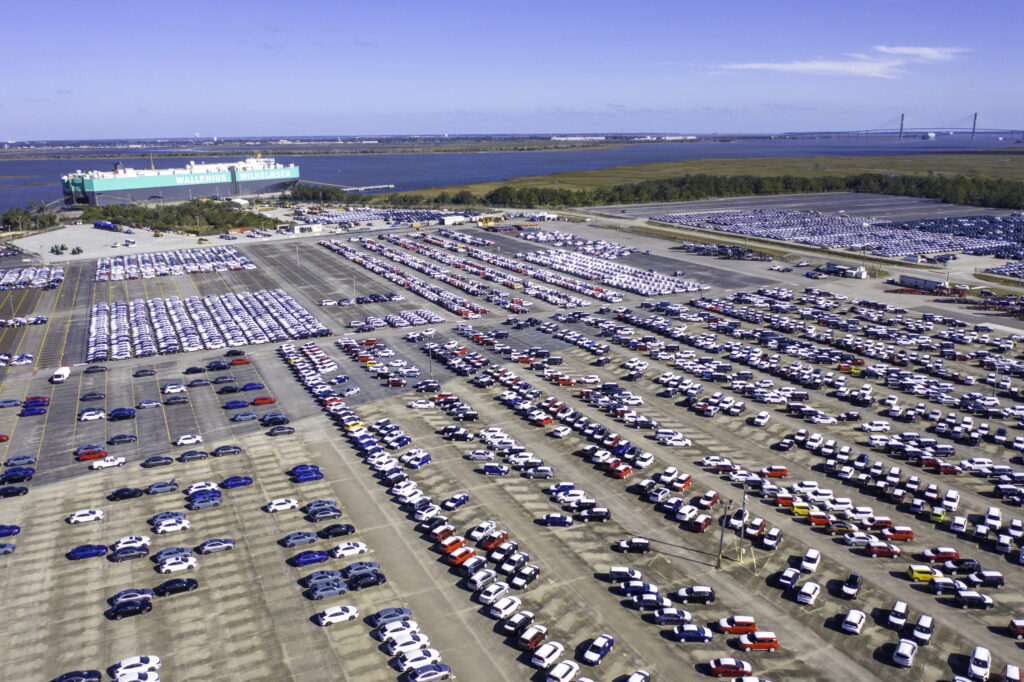
Not every technology fits every operation. Cold ironing pencils out for containerships and passenger ships that draw heavy power at berth. It rarely does for auto carriers, whose short berth times make the retrofit hard to justify. Where regulation requires at-berth controls anyway, as California now does for auto carriers, exhaust capture is often the practical alternative.
-58%
NOx from GenSet switchers vs a conventional locomotive
-80%
Particulate matter in the same GenSet comparison
95–99%
NOx, SOx, and PM removed from hoteling-ship exhaust by AMECS
~20%
Fuel savings from GenSet units over existing diesel switcher technology
Inside This Practice
Five points of attack.
01 · Marine Vessels
The hoteling problem at berth
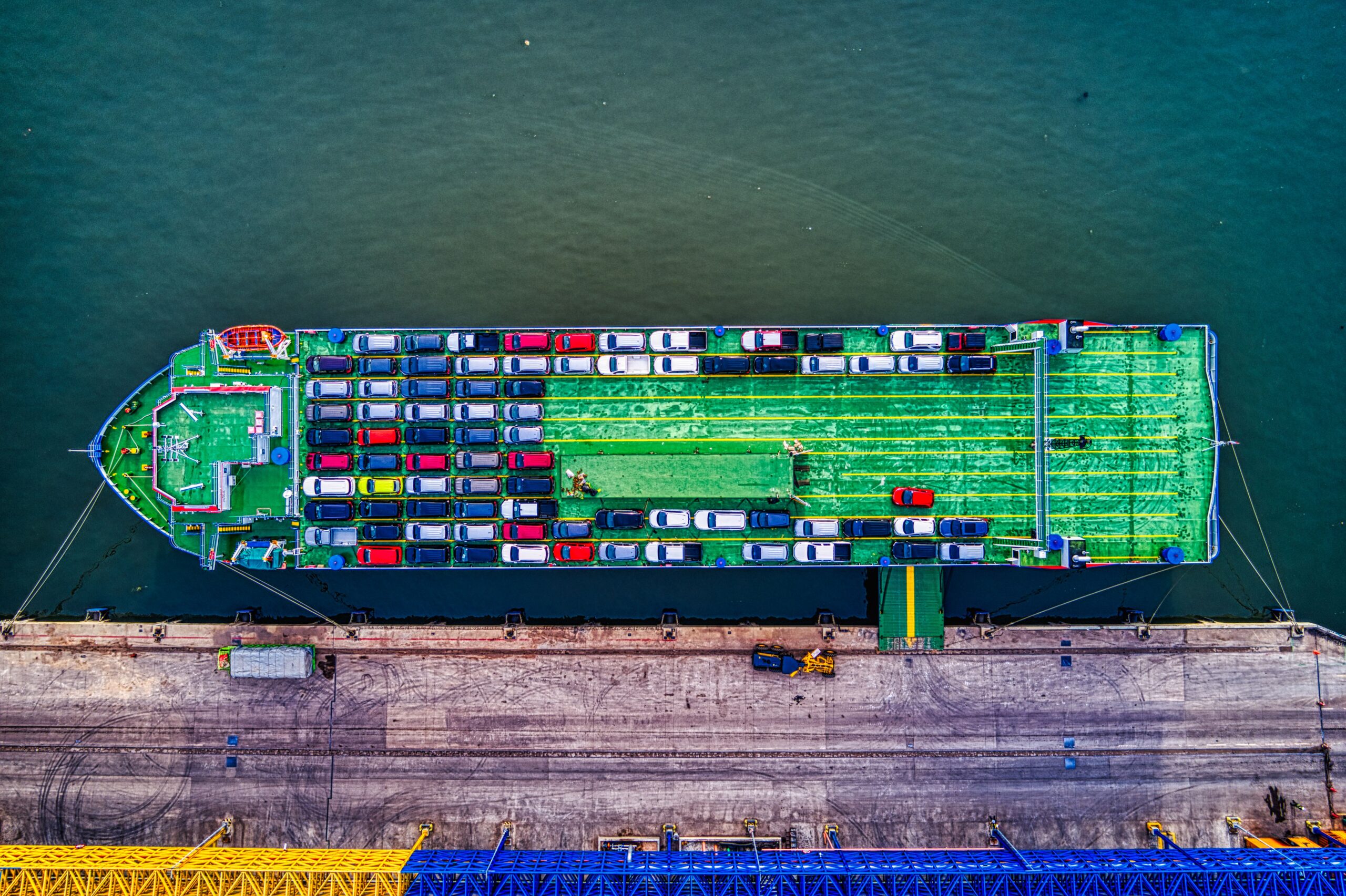
A ship at berth runs its auxiliary engines the entire time it is alongside, releasing pollutants close to the communities around the port. Ship type matters: containerships and cruise ships draw far more power at berth than auto carriers, so their emissions per call are many times higher. Cold ironing (shore power) eliminates at-berth NOx, SOx, CO, VOC, and diesel PM, but the berth and vessel retrofits are expensive, and adoption has largely followed regulation, first in California and, by 2030, at major European ports.
Not every fix happens at berth. A fuel slide valve is a simple retrofit to a ship’s main engine that cuts NOx about 30 percent and PM about 25 percent in transit while reducing fuel burn, and vessel speed reduction programs cut emissions further as ships approach port. Low-sulfur fuel is no longer optional: since 2015, ships within 200 nautical miles of the US and Canadian coasts must burn fuel with no more than 0.1 percent sulfur, which has already cut SOx and PM sharply.
02 · Rail
Switchers that sleep instead of idle
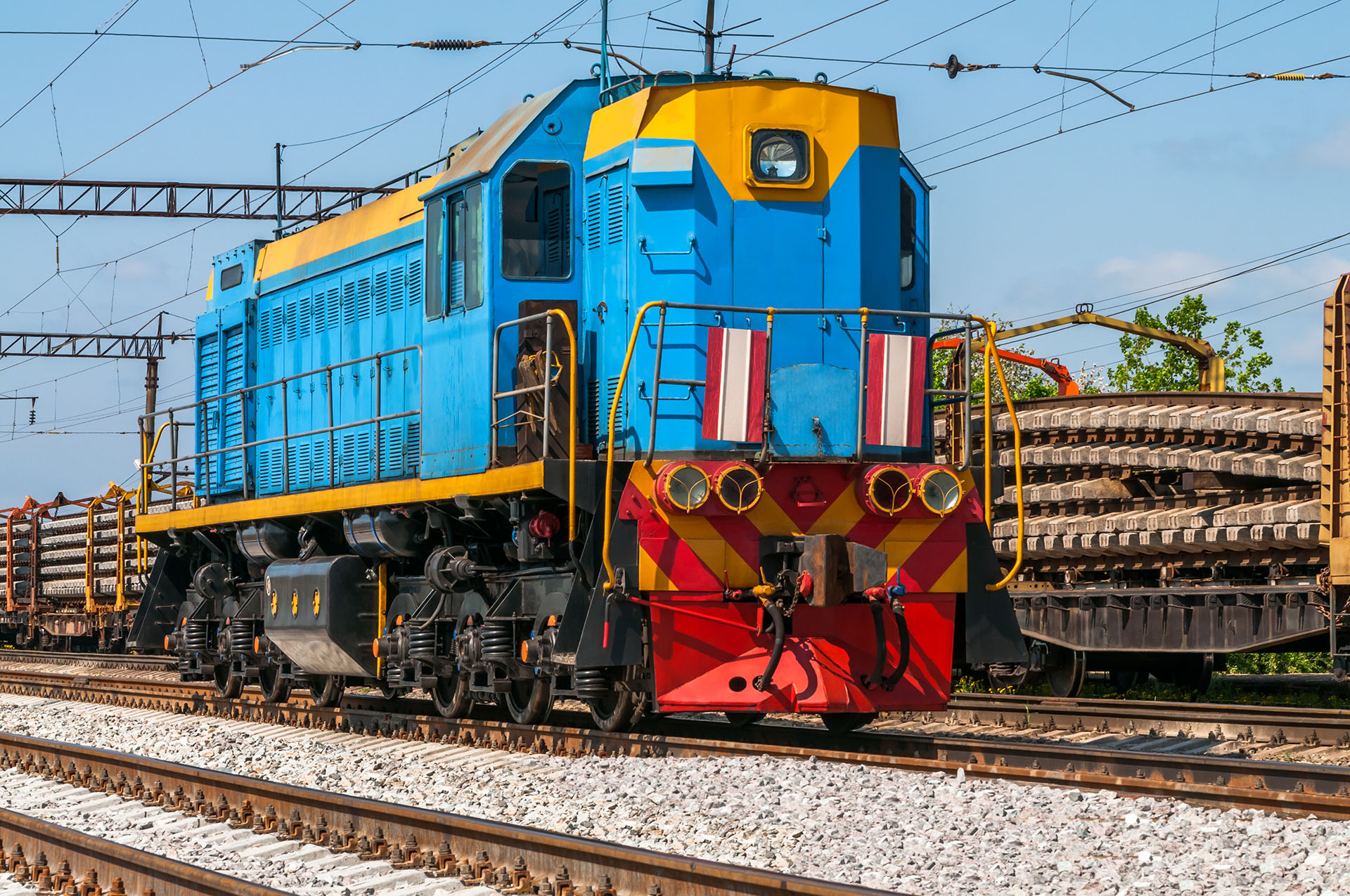
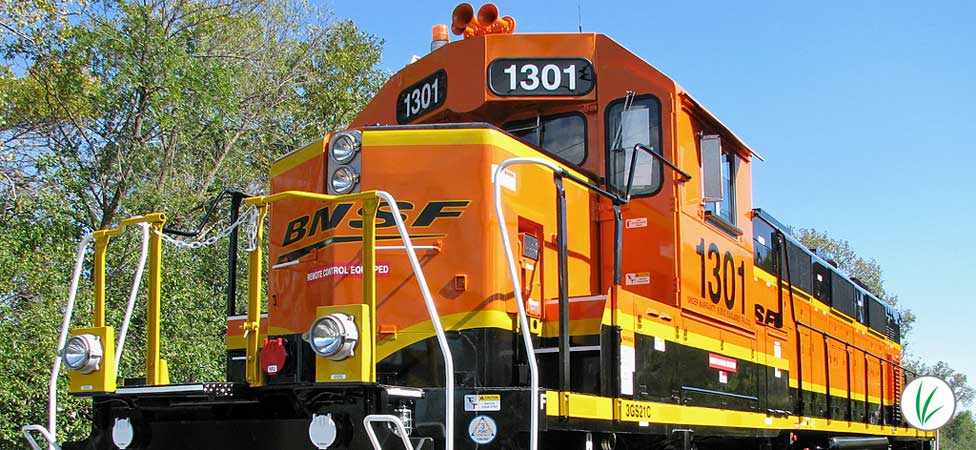
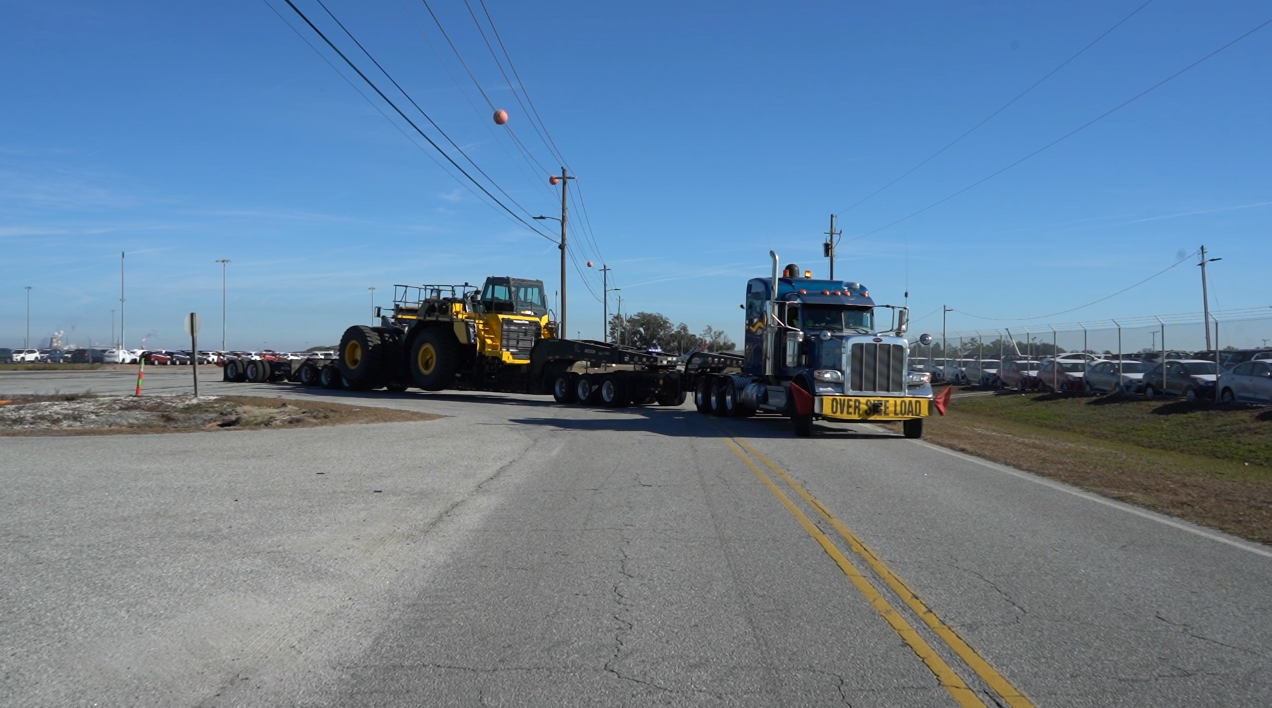
Line-haul locomotives have become far more fuel efficient over the past few decades. The overlooked source is the yard, where switching locomotives idle for long stretches between moves. A GenSet switcher replaces one large engine with three independent 700 HP Cummins diesel engines. An onboard control system runs only as many engines as the work requires and shuts the rest down.
Against a conventional switcher in the same application: 58 percent less NOx, 80 percent less PM, 94 percent less HC, 37 percent less CO, and roughly 20 percent fuel savings. Proven at the Honda Port of Entry, Port of Richmond. Battery-electric switchers, now entering service, are the next step for yards with access to charging.
Read more
02 · Rail
Inside a GenSet switcher: three engines, staged power, no wasted idle
The hardware
Three independent 700 HP Cummins diesel engines replace one large prime mover, under smart-chip control. Each engine starts as fast as a truck engine, so power is engaged only when the work requires it.
The idle management
When demand drops, the first engine shuts down after one minute of inactivity, the second after five minutes, and the third enters sleep mode after fifteen. The locomotive never burns three engines’ worth of fuel to wait.
The measured results
Against a conventional switcher in the same application: 58 percent less NOx, 80 percent less PM, 94 percent less HC, 37 percent less CO, and roughly 20 percent fuel savings over existing diesel switcher technology.
Where it has run
The Honda Port-of-Entry at the Port of Richmond adopted GenSet switching under a Clean Air Action Plan targeting a 50 percent PM reduction by 2020 and NOx at least 5 percent below the baseline estimate.
03 · Trucking
Idle limits and right-sized power
Trucks account for a large share of the fuel burned at most facilities, and some idling is unavoidable. The practical levers are an enforced idle limit, shorter queues at the gate, and drop-in fuels such as renewable diesel, which cuts particulate emissions in existing engines without modification.
Some trucks run their main engine just to power hydraulic lifts and other non-drivetrain equipment. Retrofitting smaller, more efficient auxiliary power units onto older trucks carries that load without running the drive engine at all.
04 · exhaust capture
Treating exhaust at the stack
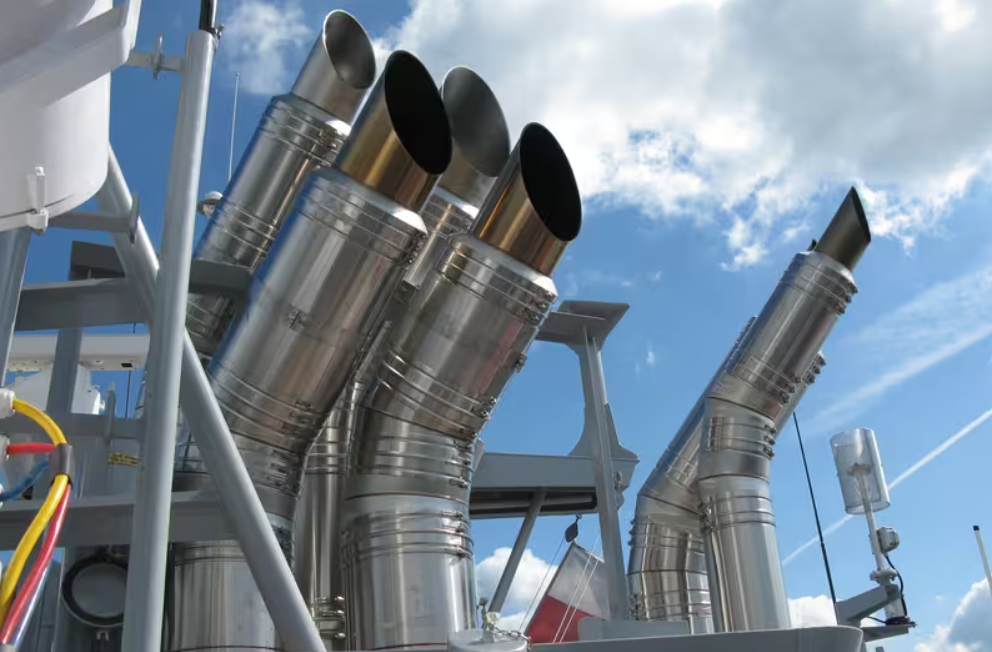
Exhaust capture systems place a bonnet over a hoteling ship’s stack, duct the exhaust to a treatment unit on the dock or on a barge, and remove most of the NOx, SOx, and PM. The Advanced Maritime Emissions Control System (AMECS) reports removal of 95 to 99 percent. Barge-based units can serve ships at any berth or at anchorage, which makes capture the main alternative to shore power for vessels that cannot plug in, including the auto carriers now covered by California’s at-berth rules.
The Advanced Locomotive Emission Control System (ALECS) applies the same principle to rail. An articulated bonnet captures exhaust during idling or maintenance and delivers it to ground-based treatment: a sodium hydroxide wash for SO2, cloud-chamber scrubbing for PM, and selective catalytic reduction for NOx. It handles flows from roughly 2,000 scfm (a locomotive at idle) up to 12,000 scfm (full power at notch 8).
05 · Planning
Clean Air Action Plans
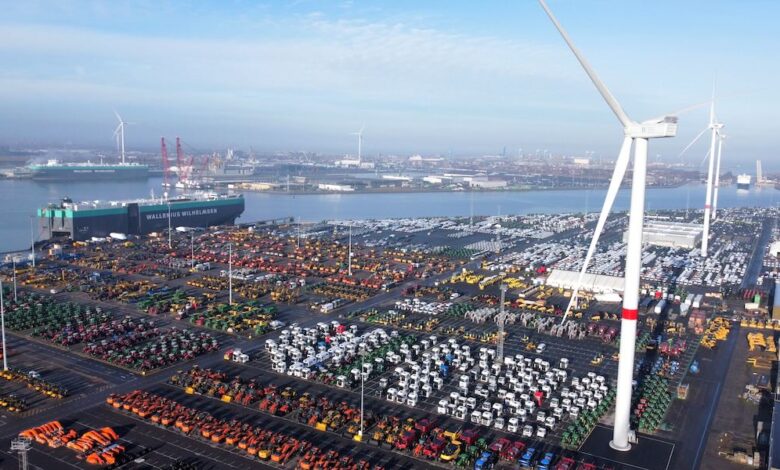
A Clean Air Action Plan (CAAP) starts by measuring existing emissions sources, then identifies reduction strategies and weighs each against financial resources, operational requirements, regulatory demands, and technical feasibility. The format, pioneered by the Ports of Los Angeles and Long Beach in 2006, has become standard for port authorities, where multiple modes and hoteling vessels compound the problem.
At the Port of Richmond, the Honda Port of Entry CAAP covered shipping, trucking, rail, and vehicle handling. Its targets were to cut PM emissions 50 percent by 2020 and hold NOx at least 5 percent below the baseline project estimate, with a public scorecard tracking progress.
Partner With Us
Looking to reduce emissions at your terminal?
Tell us about your modes and your airshed and we will share the technology references that apply.